
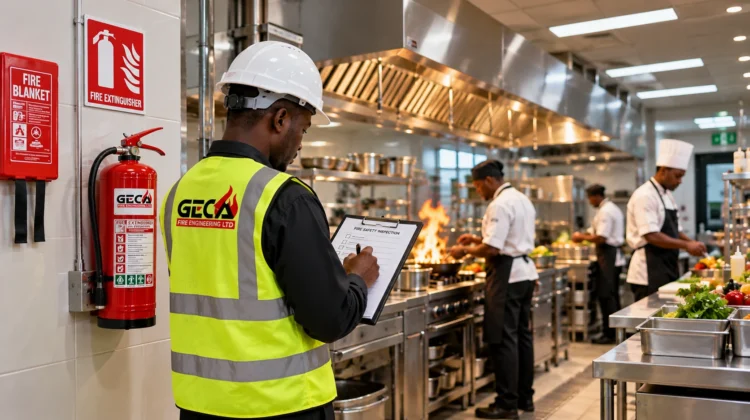
Hotel Fire Safety in Kenya: Restaurant Fire Prevention, Protection and Compliance
Hotel Fire Safety in Kenya: Restaurant Fire Prevention, Protection and Compliance
Hotel fire safety in Kenya is essential for protecting guests, employees, property and business operations. From commercial kitchens and LPG installations to guest rooms, electrical equipment and emergency exits, hotels and restaurants face fire hazards that require proper planning, suitable protection systems and regular maintenance.
A fire emergency can develop quickly, particularly in a busy restaurant or a hotel where guests may be unfamiliar with the building. Smoke, blocked escape routes, faulty equipment and delayed warnings can make evacuation more difficult.
For hotel owners, restaurant operators, facility managers and hospitality investors, effective fire safety starts with understanding the risks, putting appropriate safeguards in place and ensuring staff know how to respond.
This guide explains how to improve fire safety in hotels and restaurants in Kenya, choose appropriate fire protection measures, prepare for emergencies and understand relevant compliance considerations.
Download the free Hotel and Restaurant Fire Safety Inspection Checklist for Kenya to help your team review important fire safety measures and document items that require attention.
Why Hotel Fire Safety in Kenya Matters
Hotels and restaurants accommodate people with different levels of familiarity with the premises. Guests may be asleep, attending an event, dining in a crowded space or staying on an unfamiliar floor when an alarm sounds.
Hospitality businesses also operate kitchens, laundry rooms, storage areas, electrical installations and other facilities that introduce different fire hazards.
A well-planned fire safety programme helps businesses to:
- Protect guests, employees, contractors and visitors.
- Identify hazards before they cause an emergency.
- Provide suitable fire detection, alarms and firefighting equipment.
- Maintain accessible escape routes and effective evacuation procedures.
- Reduce potential damage to buildings, equipment, stock and furnishings.
- Improve staff preparedness and emergency coordination.
- Maintain appropriate inspection, maintenance and training records.
Fire safety should be considered throughout a property’s life cycle, from design and construction to renovation, daily operations and maintenance.
For a broader overview of fire prevention and protection measures, read GECA’s complete guide to fire safety in Kenya.
1. Common Fire Hazards in Hotels and Restaurants
The first step towards better hotel fire safety in Kenya is identifying where a fire could start, what might fuel it and how it could spread.
Commercial kitchens and cooking equipment
Commercial kitchens use cooking ranges, ovens, deep fryers, grills and other equipment that can generate significant heat. Overheated cooking oils, accumulated grease and poorly maintained appliances can increase fire risk.
Grease deposits in extraction hoods and ducts can provide additional fuel if a fire develops.
Kitchen managers should ensure that equipment is maintained, grease is cleaned regularly, combustible materials are kept away from ignition sources and suitable firefighting measures are available.
LPG and gas installations
Where liquefied petroleum gas (LPG) is used, damaged hoses, faulty connections, poor installation and unsuitable storage arrangements can create serious hazards.
Gas equipment should be installed and maintained by competent personnel. Staff should know how to report a suspected leak and follow the site’s emergency procedure.
If a gas leak is suspected, keep people away from the affected area, avoid operating electrical switches or creating ignition sources, and follow the established emergency arrangements. Do not attempt repairs unless qualified and authorised to do so.
Electrical faults
Damaged cables, overloaded sockets, faulty appliances and poorly maintained electrical installations can cause overheating and ignition.
Hotels and restaurants should arrange appropriate electrical inspections and repairs, prevent unsafe temporary wiring and ensure that electrical distribution areas remain accessible.
Laundry rooms and storage areas
Laundry equipment, linen stores, cleaning products and accumulated waste may introduce additional fire hazards.
Maintain equipment according to manufacturer instructions, control lint and waste accumulation, and store chemicals in accordance with their safety requirements.
Guest rooms and public areas
Bedrooms, lounges, reception areas, conference rooms and corridors contain furniture, textiles, electrical appliances and other materials that can contribute to a fire.
Effective detection, safe electrical equipment, appropriate fire protection and unobstructed escape routes should extend throughout the property rather than being limited to the kitchen.
2. Commercial Kitchen Fire Safety and Suppression Systems
Restaurant fire safety deserves special attention because cooking fires involving oils and fats require appropriate extinguishing methods.
Choose suitable fire extinguishers
Fire extinguishers should be selected according to the hazards present, their fire ratings and the applicable requirements.
For example, suitable wet chemical extinguishers are commonly used for fires involving commercial cooking oils and fats. Other extinguisher types may be appropriate for ordinary combustible materials or certain electrical hazards, depending on their ratings and instructions.
Never pour water onto burning cooking oil. Water can cause burning oil to spread violently, increasing the risk of serious burns and fire propagation.
Staff should only attempt to use an extinguisher when they are trained, the fire is at an early stage and a safe escape route remains available. If the fire cannot be controlled safely, evacuate and contact emergency services.
Explore GECA’s essential fire protection products to learn about equipment that may be suitable for different fire protection needs.
Maintain kitchen extraction systems
Extraction hoods and ducts remove heat, vapour and airborne grease from commercial kitchens. Grease accumulation can increase the amount of combustible material within the system.
A suitable maintenance programme should include:
- Cleaning filters and grease collection points.
- Inspecting accessible ductwork for grease accumulation.
- Maintaining extraction fans and associated electrical components.
- Arranging professional cleaning at a frequency appropriate to kitchen use and risk.
- Keeping maintenance and cleaning records.
The required maintenance schedule should reflect the cooking methods, operating hours, manufacturer instructions and applicable requirements.
Consider automatic kitchen fire suppression
Some commercial kitchens may require or benefit from an automatic suppression system specifically designed for cooking equipment and associated hazards.
Depending on the design, the system may protect designated cooking appliances and extraction areas. It may also be configured to shut down fuel or energy supplies when required by the system design and applicable standards.
The correct system should be selected following an assessment of the kitchen layout, appliances, fuel sources and risks. Installation, commissioning and maintenance should follow the manufacturer’s instructions and applicable standards.
GECA provides fire safety services in Kenya that hospitality businesses can explore when planning fire protection improvements.
3. Fire Alarm and Detection Systems for Hotels
Fire detection and alarm systems help occupants recognise a developing fire and begin emergency procedures promptly.
The right arrangement depends on the building’s size, layout, occupancy, sleeping accommodation, activities and applicable requirements.
Fire detection
Depending on the area and its risks, a system may use smoke detectors, heat detectors or other suitable detection technologies.
For example, detectors installed in a commercial kitchen must account for heat, steam and cooking fumes. The equipment should be selected and positioned to provide appropriate protection while minimising inappropriate activations.
Guest rooms, corridors, plant rooms, stores and public spaces should be assessed individually rather than assuming one detector type is suitable everywhere.
Effective alarm notification
A fire alarm should provide an effective warning to the people who need to respond. Particular attention is necessary in sleeping accommodation, noisy kitchens and large buildings.
Emergency arrangements should also consider people with disabilities and guests who may need assistance evacuating.
Inspection and maintenance
Fire alarm systems should be inspected and tested in accordance with applicable standards, the system design and manufacturer instructions.
Staff should know how to report faults, and defective or disabled components should be addressed promptly.
Learn more about GECA’s fire alarm and extinguisher installation services.
4. Emergency Exits and Evacuation Planning
Effective hotel fire safety in Kenya requires more than installing equipment. People must be able to leave the premises safely during an emergency.
Hotels and restaurants should maintain suitable, accessible escape routes from occupied areas to appropriate places of safety.
Important considerations include:
- Clear escape routes: Corridors, stairways and exits must not be blocked by furniture, deliveries, linen trolleys or stored goods.
- Exit signage: Signs should be visible and appropriate for the premises.
- Emergency lighting: Where installed or required, it should help occupants navigate escape routes if normal lighting fails.
- Suitable exit doors: Doors and escape arrangements should meet the requirements applicable to the building.
- Assembly points: Staff should know where occupants should gather after evacuation.
- Guest assistance: Procedures should address guests and employees who may require additional support.
Escape routes should be checked during everyday operations, including busy meal periods, housekeeping activities and event setups.
What should a hotel evacuation plan include?
A practical evacuation plan should explain how an emergency is reported, who raises the alarm, how guests are directed to safety, where occupants assemble and who contacts emergency services.
Responsibilities should be clear across reception, housekeeping, security, kitchen staff and management.
Hotels should pay particular attention to sleeping guests and evacuation arrangements across multiple floors. Restaurants should consider busy service periods and situations in which staff may be working in noisy or confined spaces.
Staff should never be instructed to enter smoke-filled rooms or undertake dangerous searches. Protecting life and evacuating safely must remain the priority.
5. Fire Protection Systems Every Hospitality Business Should Evaluate
There is no single package of equipment suitable for every hotel or restaurant. Protection measures should reflect the building, its occupancy, activities, identified risks and applicable legal requirements.
Fire extinguishers
Extinguishers should be appropriate for the hazards, accessible, correctly identified and maintained. Staff should receive appropriate instruction on their use and understand when evacuation is the safer response.
Fire alarm systems
Alarm and detection systems should provide suitable warnings for the building’s use. The design should account for sleeping accommodation, kitchens, public areas and other relevant conditions.
Sprinkler systems
Sprinkler systems can help control or suppress fires when properly designed, installed and maintained. Whether a system is required or appropriate depends on the building, its risks, design and applicable requirements.
Emergency lighting and exit signs
These measures can support safe evacuation when visibility is reduced or normal lighting fails. Their location and performance should follow applicable requirements.
Fire doors and compartmentation
Suitable fire doors and fire-resisting construction can help limit the spread of fire and smoke. Doors should not be improperly propped open or modified in ways that compromise their intended performance.
Penetrations for pipes, cables and other services through fire-resisting walls and floors should receive appropriate fire stopping where required.
Kitchen and specialist suppression
Commercial kitchens and other areas with specific fire hazards may require specialised suppression arrangements. These systems should be designed for the actual hazard rather than installed as a generic solution.
All these measures should form part of a coordinated fire safety strategy. Installing an individual piece of equipment does not automatically make an entire building safe.
6. Hotel Fire Safety Requirements in Kenya
Hotels and restaurants in Kenya need to identify the laws, regulations, standards, county requirements, licences and approvals applicable to their particular premises.
Two authoritative resources are especially relevant.
Occupational Safety and Health Act, 2007
Kenya’s Occupational Safety and Health Act, 2007 addresses workplace safety, including fire precautions.
Section 81 covers the provision and maintenance of suitable firefighting equipment, trained personnel, adequate means of escape, unobstructed escape routes and employees’ familiarity with emergency procedures. Section 82 addresses workplace evacuation procedures and testing them at regular intervals.
These provisions are important when reviewing fire safety arrangements in hospitality workplaces. Businesses should consult the applicable legislation and subsidiary regulations to establish their precise obligations.
Tourism Regulatory Authority Regulations, 2014
The Tourism Regulatory Authority Regulations, 2014 — official legal text includes hotel and restaurant classification criteria.
The fire protection criteria in the regulations address matters such as firefighting equipment, alarms, staff familiarity with equipment, fire drills and other measures, with criteria varying according to classification.
Hotels should review the criteria applicable to their establishment and verify the current requirements with the relevant authorities.
County requirements and building regulations
Depending on the premises, county fire safety requirements, building regulations, approvals and licensing conditions may also apply.
The building’s approved use, design, occupancy and any alterations can affect the appropriate fire protection measures.
Managers should confirm current requirements directly with the relevant authority rather than relying solely on an old inspection report or another property’s arrangements.
How can a hospitality business review its compliance?
Start by:
- Identifying the legislation, licences, approvals and standards applicable to the property.
- Reviewing existing fire risk assessments, inspection reports and building documentation.
- Checking fire protection equipment and escape arrangements.
- Reviewing maintenance, testing and staff training records.
- Recording deficiencies and prioritising corrective actions according to risk.
- Seeking professional advice where technical or regulatory matters are unclear.
- Confirming outstanding requirements with the relevant authorities.
A checklist can help organise this process, but it cannot establish legal compliance by itself.
7. Fire Safety Training for Hotel and Restaurant Staff
Fire protection equipment cannot replace trained employees and a well-practised emergency plan.
Staff should understand how to identify hazards, report unsafe conditions, raise the alarm and follow evacuation procedures. Training should reflect each employee’s role and the risks in their workplace.
A suitable programme should cover:
- Identifying common fire hazards and unsafe practices.
- Raising the alarm and contacting emergency services.
- Understanding evacuation routes and assembly points.
- Knowing the location and purpose of fire protection equipment.
- Understanding when not to attempt firefighting.
- Responding appropriately to suspected gas leaks and electrical hazards.
- Assisting guests who may need additional support.
- Following instructions from designated emergency response personnel.
Hotels and restaurants should conduct appropriate fire drills and review the results. Drills may reveal blocked exits, unclear responsibilities, inadequate alarm audibility or confusion about assembly arrangements.
Training should be documented, refreshed when appropriate and provided to new employees as part of their induction.
GECA’s fire safety services are a useful starting point for hospitality businesses exploring fire safety training and other protection needs.
8. Hotel and Restaurant Fire Safety Inspection Checklist
A practical inspection checklist helps managers review important safety measures, identify gaps and record the actions needed to address them.
To make this process easier, GECA Fire Solutions has prepared a free resource for hospitality businesses in Kenya.
Download the Hotel and Restaurant Fire Safety Inspection Checklist — Kenya Edition (PDF)
The checklist covers six key areas:
- General fire safety: Hazards, housekeeping, emergency contacts and records.
- Kitchen and LPG safety: Cooking equipment, extraction systems, gas installations and suitable suppression.
- Fire protection and detection: Extinguishers, alarms, installed suppression systems and fire doors.
- Escape routes and evacuation: Exits, corridors, signage, emergency lighting and assembly arrangements.
- Staff readiness: Training, drills, emergency procedures and guest assistance.
- Maintenance and compliance: Inspection records, servicing, defects and corrective actions.
The document includes property details, status boxes, a corrective action log and space to record responsible persons and target dates.
How to use the checklist
Review each item and mark it as OK, Action, Not Applicable or Not Checked. Do not mark an item OK if it has not been verified.
For each item requiring attention, record the issue, assign responsibility and establish a target completion date. Address urgent life-safety hazards without delay.
Important: This checklist is a preliminary management aid. It does not replace a competent fire risk assessment, statutory inspection, certification or approval. Requirements vary according to the premises and applicable law.
9. Fire Safety Maintenance and Record-Keeping
Fire safety systems need regular attention to remain dependable. A maintenance programme should identify the equipment installed, the checks required, who is responsible and how defects will be resolved.
Hotels and restaurants should maintain appropriate records for:
- Fire extinguisher inspections and servicing.
- Fire alarm and detection system testing.
- Sprinkler and fixed suppression system maintenance, where installed.
- Kitchen extraction and grease duct cleaning.
- Electrical equipment and gas installation maintenance.
- Fire drills and employee training.
- Fire safety assessments and inspection findings.
- Corrective actions and follow-up reviews.
The frequency and scope of checks should follow applicable requirements, manufacturer instructions, system design and the risks present.
When a fault is identified, record it, assess its significance and arrange appropriate corrective action. Any temporary impairment of a fire protection system should be managed under a suitable procedure, including additional precautions where necessary.
GECA’s fire safety services in Kenya can help businesses explore their fire protection and maintenance needs.
10. When Should You Engage a Professional Fire Safety Company?
Professional assistance can help hospitality businesses understand their risks, assess existing protection measures and plan improvements.
Consider engaging a competent fire safety provider when:
- Opening a new hotel, restaurant or commercial kitchen.
- Renovating or changing the use of a building.
- Installing or upgrading fire alarms or suppression systems.
- Reviewing inspection findings or recurring equipment faults.
- Assessing evacuation arrangements and staff preparedness.
- Establishing a fire safety maintenance programme.
- Preparing for a relevant inspection or reviewing compliance obligations.
When selecting a provider, ask about relevant experience, personnel qualifications, system design, applicable standards, commissioning, maintenance and documentation.
A good provider should explain why a proposed solution suits the premises and its hazards. Avoid choosing equipment based only on price or assuming that installing one additional system will resolve every fire safety concern.
GECA Fire Solutions provides fire protection-related products and services that hospitality businesses can explore when planning improvements for their premises.
Improve Your Hotel or Restaurant Fire Safety with GECA
Hotel fire safety in Kenya requires a practical approach that combines hazard identification, appropriate equipment, safe escape routes, staff training and ongoing maintenance.
Whether you manage a hotel, operate a restaurant or oversee a commercial kitchen, start by reviewing your existing arrangements and identifying the improvements that need attention.
Use the free Hotel and Restaurant Fire Safety Inspection Checklist to organise your initial review.
If you need help assessing your premises or exploring suitable fire protection measures, contact GECA Fire Solutions to discuss your requirements.
GECA Fire Engineering Ltd
Southgate Plaza, Mkoma Rd, Nairobi
Phone: +254 723 322 688
Email: info@gecafiresolutions.co.ke | sales@gecafiresolutions.co.ke
Working hours: Monday–Saturday, 8:00 AM–5:00 PM
Frequently Asked Questions About Hotel Fire Safety in Kenya
1. What are the main fire hazards in hotels and restaurants?
Common hazards include cooking oils and grease, gas installations, electrical faults, cooking equipment, laundry machinery, combustible storage and obstructed escape routes. The risks vary according to the building and its activities.
2. What fire protection systems does a hotel need in Kenya?
The appropriate systems depend on applicable legal requirements, building design, occupancy, use and assessed risks. Measures may include fire alarms, detection systems, extinguishers, emergency lighting, fire doors and suppression or sprinkler systems where required or appropriate.
3. Are fire suppression systems necessary in commercial kitchens?
A dedicated kitchen suppression system may be required or appropriate for certain cooking operations. Its suitability should be established through the applicable requirements, the equipment being protected and a competent assessment of the fire risks.
4. How often should hotels conduct fire drills?
The applicable frequency depends on the relevant regulations and the circumstances of the premises. Hotels should establish a documented drill schedule that meets their obligations, supports effective evacuation and addresses weaknesses identified during exercises.
5. How often should hotel fire extinguishers be serviced?
The servicing schedule should follow applicable requirements, relevant standards and manufacturer instructions. Routine visual checks should be distinguished from periodic professional servicing, and appropriate records should be retained.
6. What should restaurant staff do if cooking oil catches fire?
Staff should raise the alarm, follow the emergency procedure and never pour water onto burning oil. Only trained personnel should attempt to use suitable firefighting equipment when it is safe to do so and an escape route remains available. Otherwise, evacuate and contact emergency services.
7. Who is responsible for fire safety in a hotel?
Responsibilities depend on applicable laws, contractual arrangements and the roles within the business. Owners, employers, operators, facility managers and designated safety personnel may have different duties. Management should clearly assign responsibilities and ensure that procedures are followed.
8. How can a hotel prepare for a fire safety inspection in Kenya?
Review applicable requirements, organise relevant approvals and maintenance records, inspect escape routes and protection equipment, verify staff training and address identified deficiencies. Confirm the current inspection process with the relevant authority.
9. Where can I get a hotel and restaurant fire safety checklist in Kenya?
You can download GECA Fire Solutions’ free Hotel and Restaurant Fire Safety Inspection Checklist. It covers general fire safety, kitchens, LPG, protection systems, evacuation, training and maintenance.
10. Can GECA Fire Solutions help with hotel and restaurant fire protection?
GECA Fire Solutions provides fire protection-related products and services that hospitality businesses can explore for their premises. Contact the team to discuss your requirements and confirm the specific services and technical support available.


